
EM
EM
Energy Model, GCC
Energy Macro & Microeconomics
2015Hover for details →
A catalog of simulators across power, oil & gas, sustainability and macroeconomics.
56
Total Simulators
6
Initiatives
20
With Links
42
Published
Energy Macro & Microeconomics
The Energy Model for Saudi Arabia is a partial economic equilibrium model that represents six major energy producing and consuming sectors in Saudi Arabia. These sectors are electric power, petrochemicals, refining, water desalination, upstream oil and gas, and cement.

Energy Macro & Microeconomics
A domestic policy analysis tool that captures the interactions between Saudi Arabia and other global economies.

Utilities & Renewables
India renewable energy policy atlas - ’s India Renewable Energy Policy Atlas provides specific state and national level coverage of energy policies in India. It presents a policy landscape covering many geographies within India to gain holistic and comparative insights into policy frameworks.

Utilities & Renewables
This toolkit presents interactive data on capital costs and levelized cost of energy for solar photovoltaic technology by year and country.

Oil & Gas
This is a domestic policy analysis tool that captures the interactions between Saudi Arabia and other global economies in one unit of measure to understand the energy relationships between countries.

Oil & Gas
Energy balance enables to understand products transformation into one another using single unit of measure ToE, highlight the relationships among these hydrocarbon products, and show how all energy types are ultimately used.

Climate & Sustainability
This energy modeling system represents chain of all physical connections such as energy sources, carriers, conversion tech all the way to final demand. Answers the questions such as "what EE retrofits are effective given the housing stock and climate in Saudi Arabia?, what’s the optimal level of investments needed from a system perspective?

Oil & Gas
This model enables us to compute actual quantitative value, or economic cost, of shocks to world oil markets. This is a analytical framework to analyze shocks to world oil markets. Its built on global vector autoregression model

Climate & Sustainability
This model implements blockchain applications for climate action and accounting, including emissions calculations, carbon trading, and validation of climate claims.

Oil & Gas
This model enables to determine the value of natural gas trade within the GCC. Quantitative analysis of the benefits of electricity trade coordination based upon the regional power grid. The modified fuel supply module optimizes regional production and transportation of oil and gas to meet domestic demand and to export to the international market.

Energy Macro & Microeconomics
This is an equilibrium model of the global oil market through 2030 with a detailed representation of oil-producing assets globally. The model is dynamic and captures the transitional adjustments in demand and market prices, and Saudi Arabia’s corresponding revenues.

Energy Macro & Microeconomics
Its dynamic stochastic general equilibrium (DSGE) model of the Saudi Arabian economy. The DSGE model is to be used for simulations and experiments to assess the impact of economic reforms within the Saudi Vision 2030 framework. The model will also complement the suite of models currently used at for macroeconomic analysis, to assess the impact of the Kingdom’s public policies.

Energy Macro & Microeconomics
This tool allows for a medium-term Saudi Arabia impact analysis based on relevant Input output table with updated inter-industry flows and technical coefficients matrix. This tool allows to analyze impact to many industries because of the growth change in one.
Utilities & Renewables
This is an optimization model that represents all the power generation plants in Saudi Arabia in all six regions along with the corresponding fuels used for generation and regional transmission interconnections.
Oil & Gas
The model generates distributions of the Net Present Values, for an investor oil company and the State which collects taxes. By using another commodity or sold product, model can accommodate modifcation of the price process, capex and opex, sold volumes and fiscal terms for any type of industry in any year model first published.

Oil & Gas
This is a upstream model, uses a Monte Carlo probabilistic approach, the model simulates the International Oil Companies (IOC) development decision rules for a portfolio of oil fields to be developed.

Transport & Infrastructure
This air transportation model is developed to assess the aviation sector’s current, short, medium, and long-term future performance, considering the year_model_first_published’s future situation, energy challenges, and environmental concerns.

Transport & Infrastructure
This Energy Decision Model for Maritime has been designed to understand the dynamic of cargo handling, and future fuel consumption locally, regionally as well as globally in the shipping industry.

Transport & Infrastructure
This is a vehicle choice model is estimated using a large, random survey sample of new vehicle purchases in China. The estimation results are used to predict plug-in electric vehicles sales if subsidies were eliminated and if subsidies were targeted towards low income consumers.

Climate & Sustainability
This is a partial equilibrium global integrated assessment model with technology-rich representations of the economy, energy sector, land use and water linked to a climate model with Saudi Arabic focused scenarios. Its dynamic-recursive model that solves all energy, water, and land markets simultaneously one period at a time.
Energy Macro & Microeconomics
This is a hybrid energy-economy general equilibrium model adapted to Saudi Arabia. It incorporates specific features such as the currency peg and regulated energy prices.
Uncategorized
This model forecasts "Business-as-Usual" emission of and assess the contribution of the existing and new initiatives to abate emissions. Covers ten sectors of economy and allows policy stakeholder to predict each sector's business-as-usual projection of CO2 emissions and required investment to reduce it.

Energy Macro & Microeconomics
This is a general equilibrium model of Saudi Arabia that represents how energy sectors interact with the rest of the economy.
Climate & Sustainability
The Circular Carbon Economy (CCE) Index is a tool for energy and climate policy-makers and stakeholders to quantify and compare year_model_first_published performance and potential for reaching CCEs.The Toolkit for Behavioral Analysis is an open source platform for building models. It enables a systematic and rigorous analysis of collective decision-making processes.
Climate & Sustainability
This is a Model for Optimizing Circular Carbon Economy based on the Open Source Energy Modeling System framework. The All Options scenario, inspired by the CCE, gives MOCCE the greatest flexibility to choose the absolute lowest-cost Net Zero energy system.

Climate & Sustainability
This model is a bottom-up engineering and economic-based model to simulate the Saudi residential building stock energy consumption and assess the impact of different energy efficiency initiatives.
Climate & Sustainability
This is a toolkit for Behavioral Analysis is a platform for building models. It enables a systematic and rigorous analysis of collective decision-making processes.
Utilities & Renewables
A tool that calculates how much of the Distributed energy resources(DERs) the distribution system can handle without any upgrades to the distribution system. Helps assess what upgrades could be installed in the network to be able to host more DERs.
Utilities & Renewables
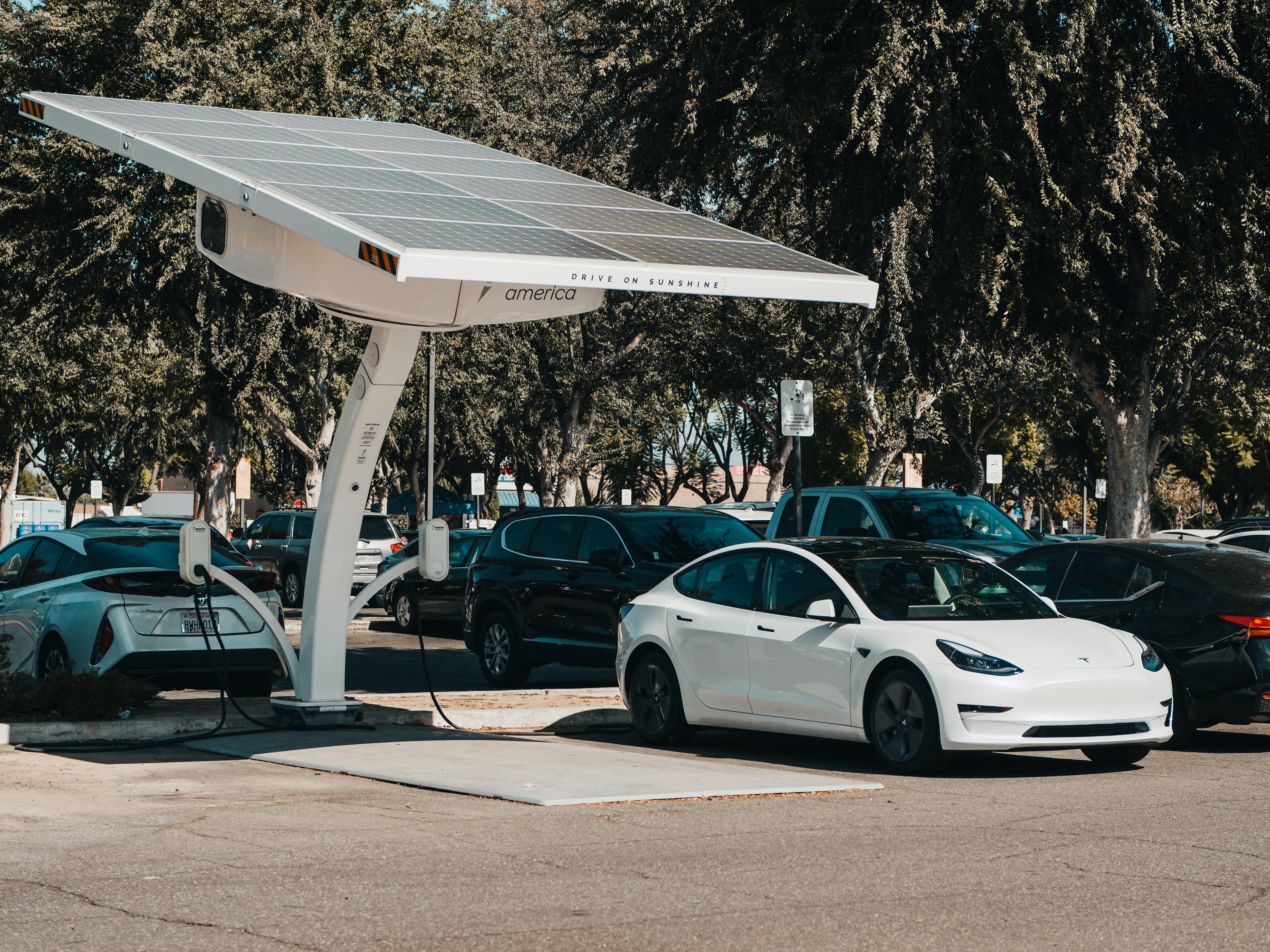
Innovation in electricity markets: Rapid technological innovations in low-carbon, demand-response and storage technologies can lead to a more efficient and secure electrical system. However, achieving the full potential of these innovations requires new approaches to policy, regulation and business models.

Energy Macro & Microeconomics
This model will devise a long-term global energy outlook and analyze the consequences of energy, climate, and economic policies on regional energy markets. The model can be used as well to analyze regional energy and environmental policies, capture their effects on the global energy system, and assess the consequences for Saudi Arabia’s energy policy.

Oil & Gas
A model and methodology to identify an optimal multi-party allocation agreement. The model considers the parameters affecting oil production variations of different parties, looking first for the upcoming production modification levels based on historical trends. Will present examples of the applied method to OPEC+ deals.

Energy Macro & Microeconomics
This model will estimate investment needs, as under investment has been cited as a serious problem in oil and gas. How serious, and is there a way to remedy it.

Uncategorized
PECAS model is a simulation of spatial Riyadh economic system. It is designed to provide a simulation of the land use component of land use transport interactive modelling systems.
Uncategorized
This model optimizes refined products distribution system in Saudi Arabia, helps to find areas of improvement in the current bulk plant network infrastructure. Minimizes the total social cost while meeting the demand for fuels.

Transport & Infrastructure
This model estimates freight transport activity and measures the impact of transport policy measures uses data from satellite imgLinks and nighttime lights. Enables quick estimation of the effects of policy measures and economic changes on transportation activities at a global level.
Oil & Gas
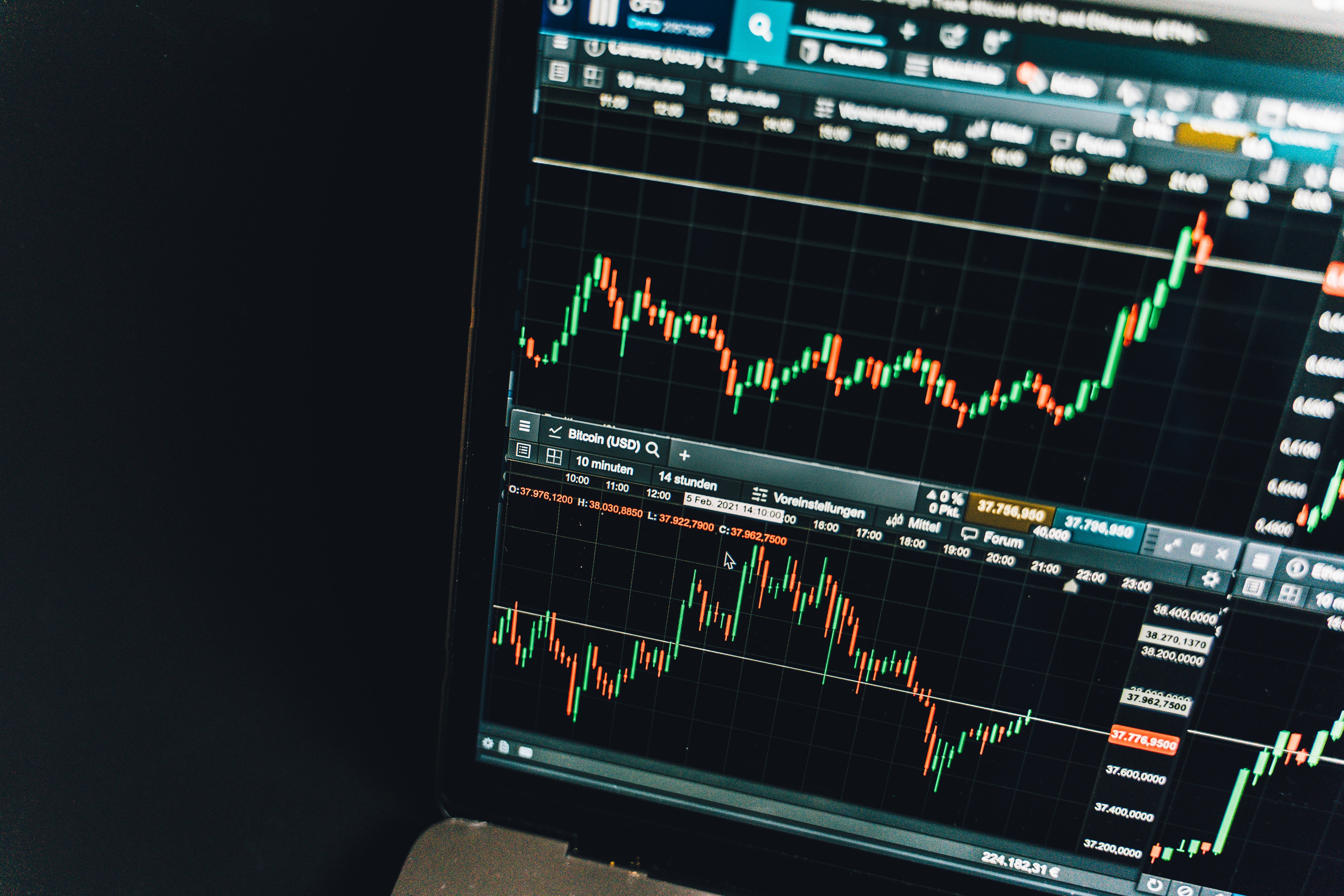
Develop oil and gas value modeling and analysis tool to integrate upstream and downstream parameters in order to optimize performance on both business and policy perspectives

Transport & Infrastructure
To quantify and measure the impact of urban development activities and interventions on energy demand of cities.Uses a spatial-economic framework, called PECAS. Describes the interaction between: Economic activities, Urban development (governed by zoning), Transportation, and Energy

Transport & Infrastructure
The model aims to explore the impact of vehicle regulatory programs, technology advancements and consumer attitudes on personal mobility choices and energy demand

Transport & Infrastructure
After decades of rapid economic development in China, how will the new economic paradigm (industrial upgrade, shift in consumption pattern, etc.) in the world’s largest carbon emitter and second largest oil consumer impact its future demand for freight transport and fuel consumption? Given the rapid development in information and communication technologies (ICT) and their increasing adoption in the freight logistics sector (i.e. the trend of digitalization in some of the world’s largest road freight markets, including China), what would be its potential impact on freight transport energy demand and related carbon emissions? To understand the economic factor of freight transport and eventually its related energy demand, a new China freight database has been developed for this project.
Oil & Gas
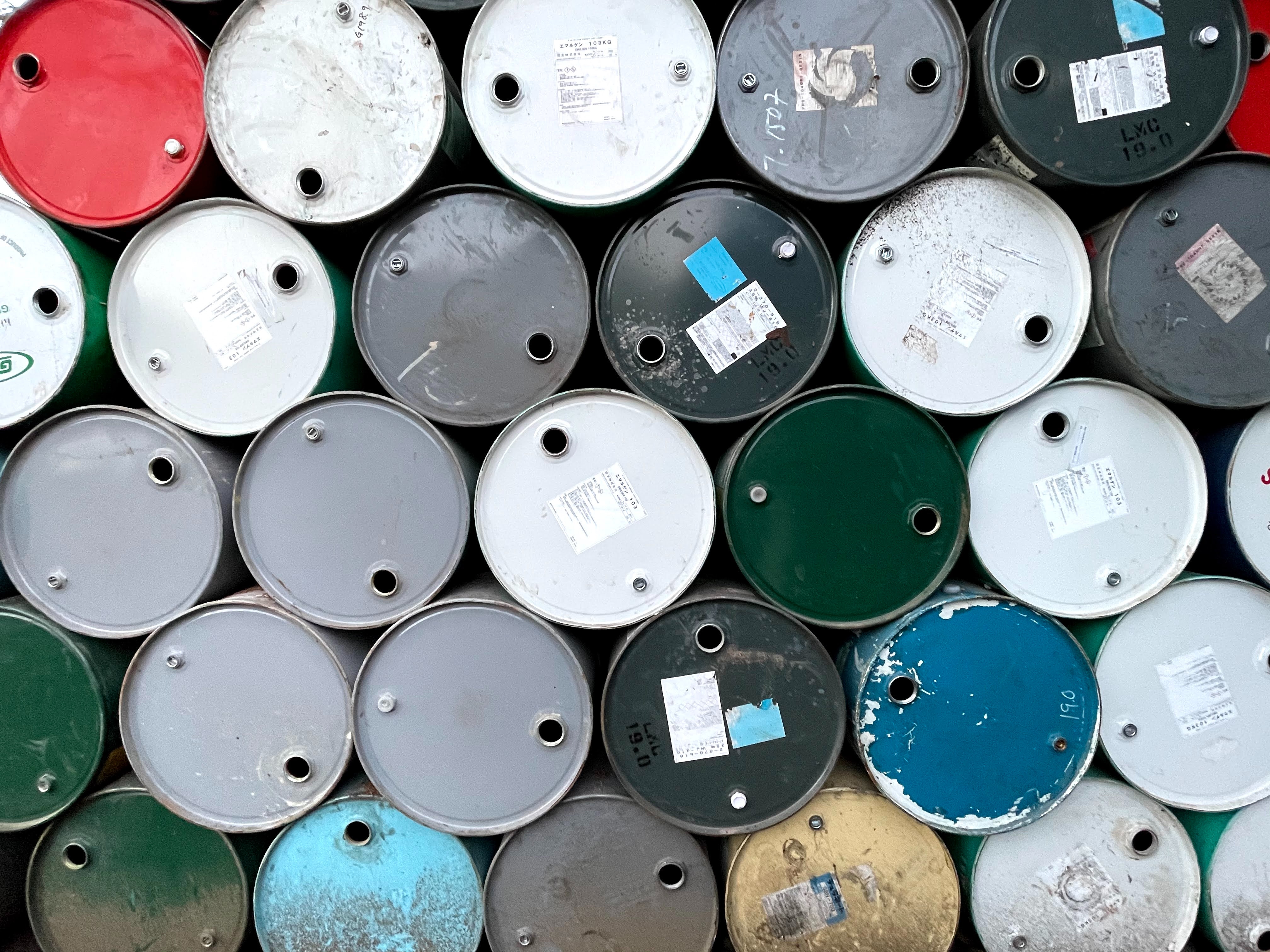
The model has been designed to provide a timely source of data, forecasts and analysis of world oil markets, including an understanding of the key factors affecting world oil prices.
Energy Macro & Microeconomics
Analysis of the countries’ revenue and expenditure and the relationship between revenue and oil price.It measures the mismatch between the government’s fiscal position and the oil price.
Energy Macro & Microeconomics
The model provides a framework to assess the opportunity cost of oil in Saudi Arabia and the most efficient pricing policy for the oil consumed domestically.
Energy Macro & Microeconomics
The model is used to assess the extent to which OPEC has succeeded in stabilizing the oil market and to measure the benefits for the global economy. Apply the principle of revealed preference to infer the implicit loss function that rationalizes OPEC’s investment in spare capacity. The model enables estimating the stochastic process that generates shocks to demand and supply.
Energy Macro & Microeconomics
Conduct advisory and applied research activities focused on modeling and forecasting indicators of energy consumption and their impacts in Saudi Arabia.In line with the ongoing energy policies, the Kingdom is implementing.
Energy Macro & Microeconomics
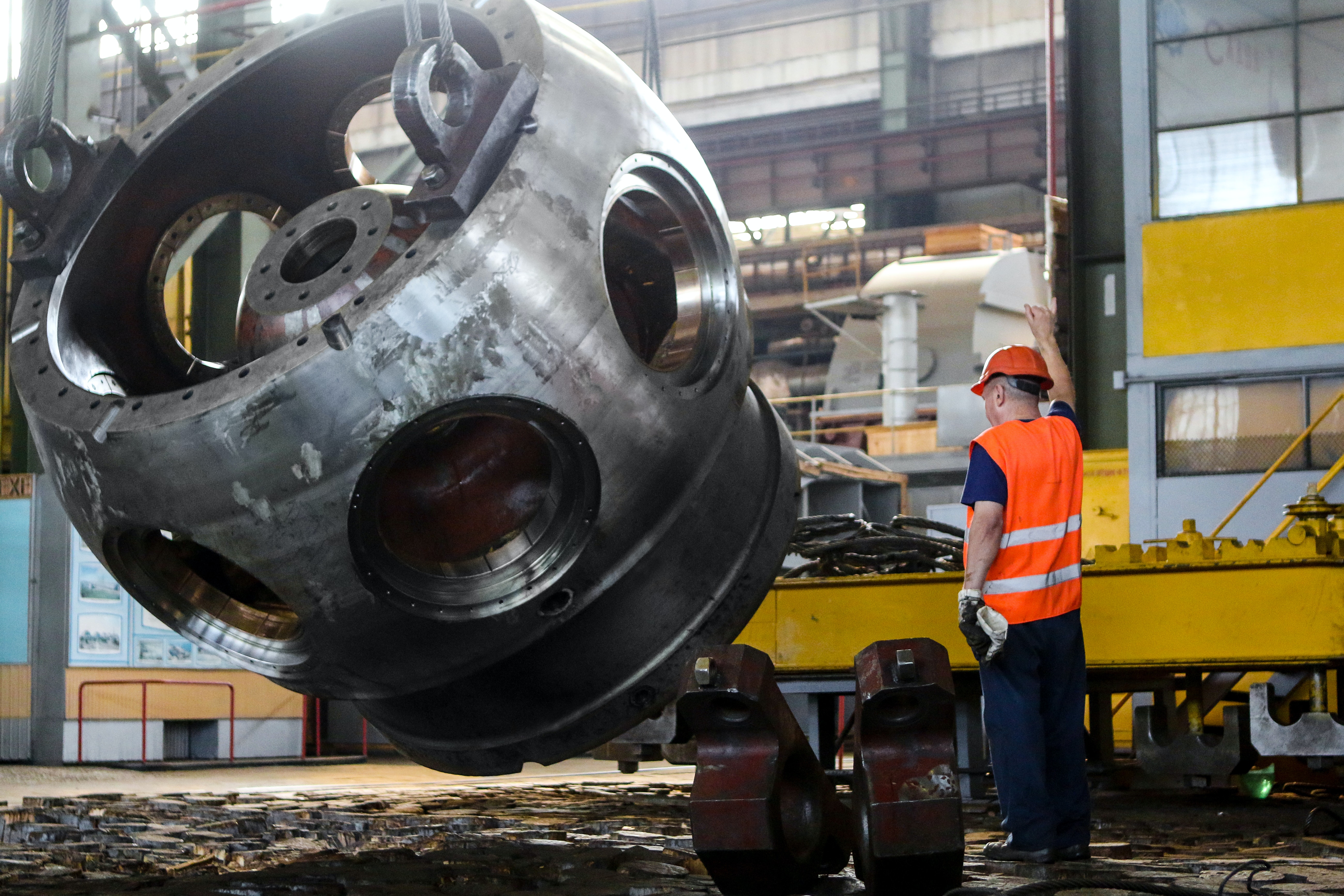
This project studies renewable energy, employment, and entrepreneurship in Saudi Arabia.Considering the potential of energy renewables to create employment, many systemic constraints hamper the Saudi labor force from taking advantage of these “green job” opportunities.
Utilities & Renewables
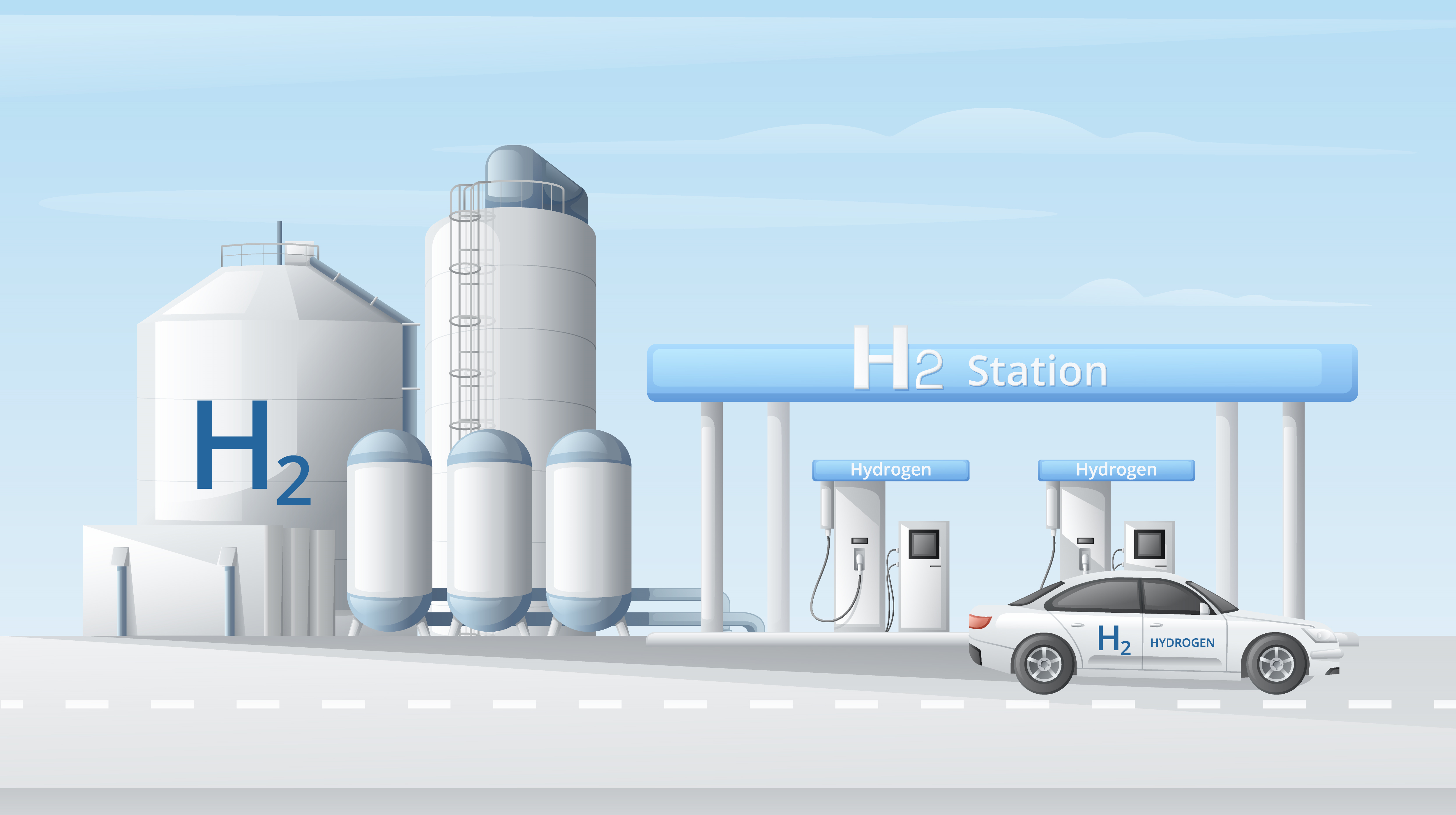
Hydrogen cost analysis model provides a convenient analysis for electrolysis and SMR based hydrogen production options. Model is a circular carbon enabler, given the diverse applications of hydrogen and its potential to abate carbon emissions
Energy Macro & Microeconomics
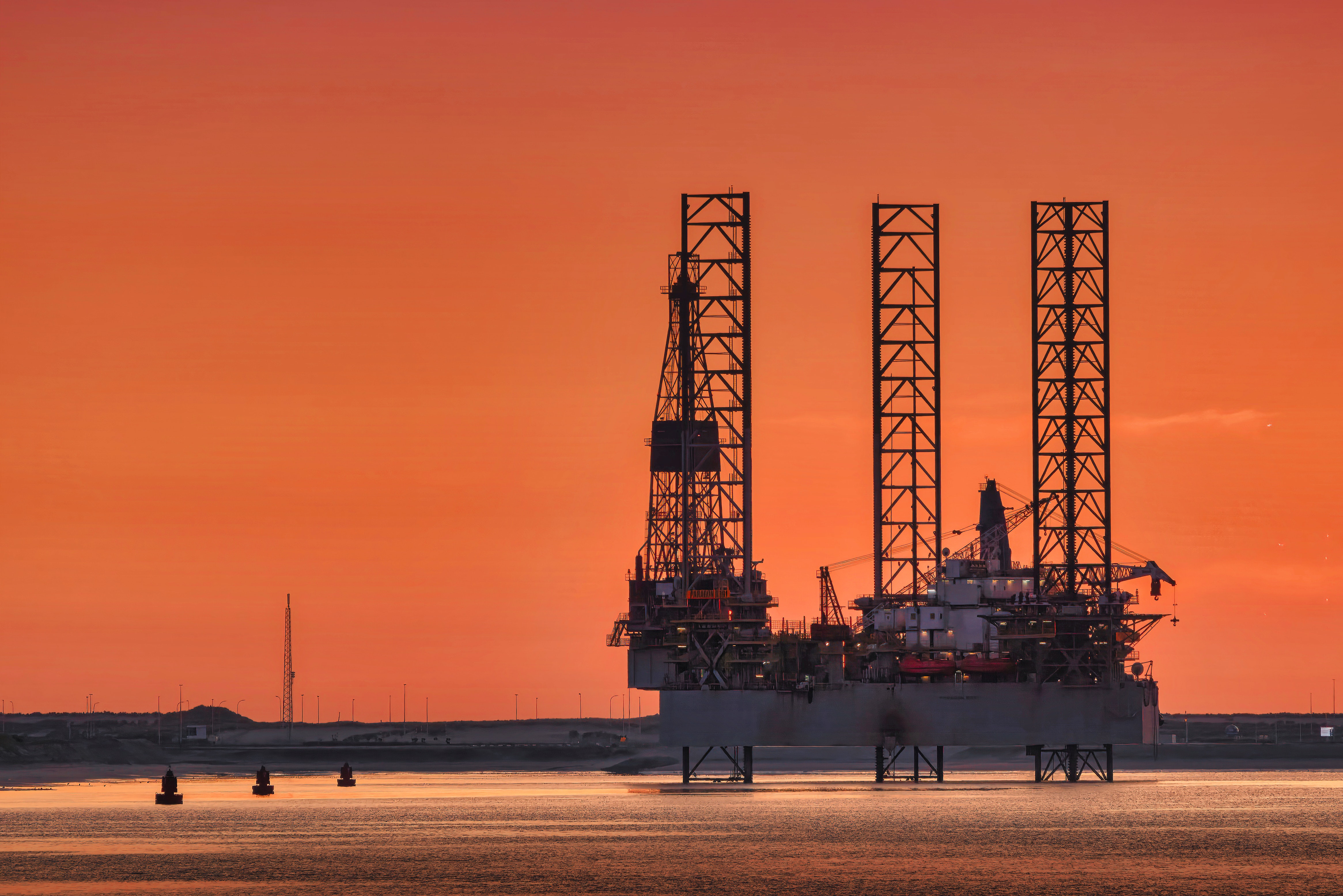
The project will build on the work and modeling framework developed by the Energy & Macroeconomics Program.Mainly focus on the implications of various global climate and economic growth scenarios for Saudi Arabia’s revenues, considering the Announced Pledges and Net Zero Emissions by 2050 Scenarios.

Energy Macro & Microeconomics
Help understand how Behavioral Economic methods can be a viable policy option in Saudi Arabia.Measuring the impact of four BE intervention methods on residential electricity consumption and the impact on overall household income savings, the associated energy savings in quantity and value to the government, and the CO2-associated avoidance.
Energy Macro & Microeconomics
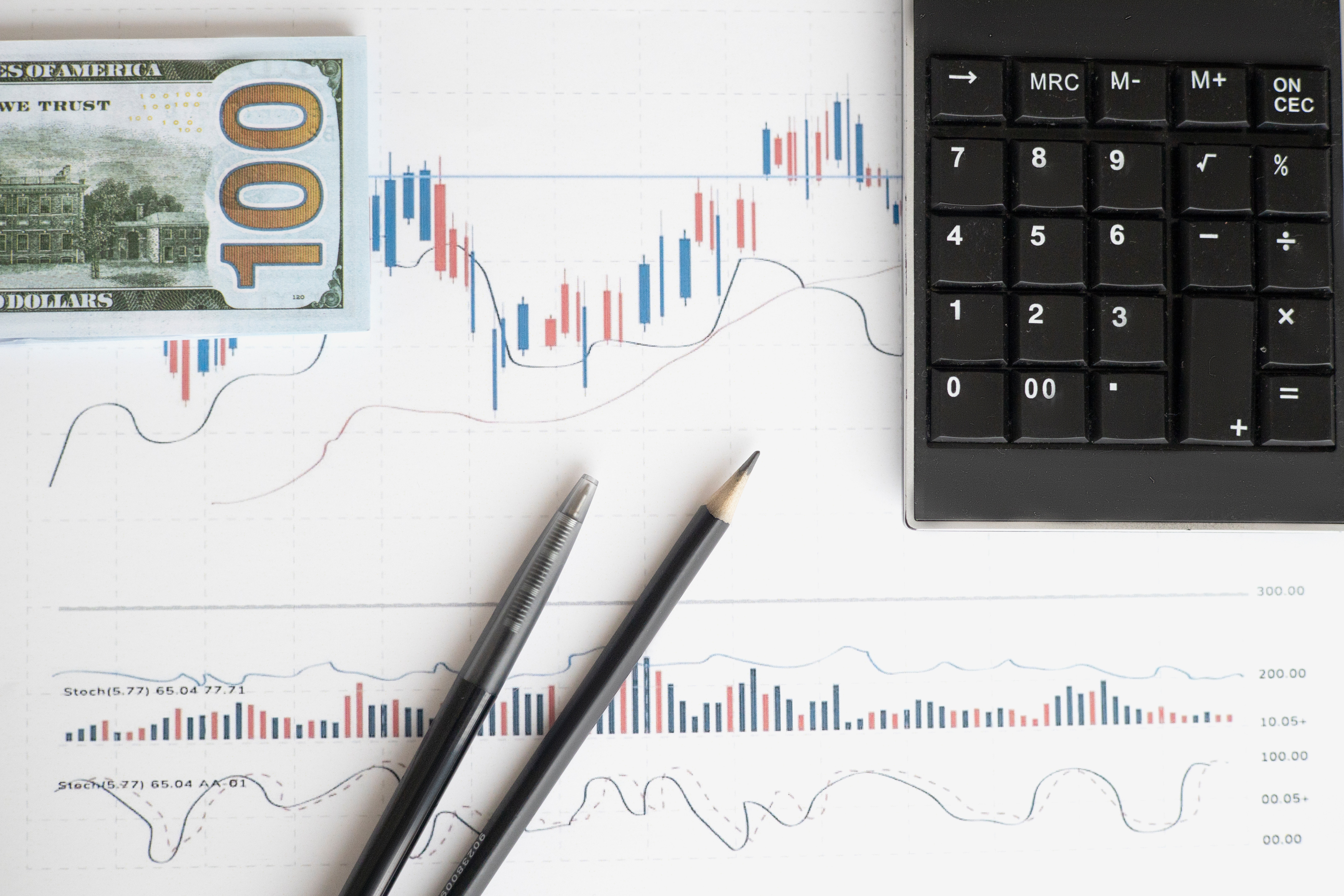
Using econometric techniques such as mixed data sampling (MIDAS) to forecast quarterly GDP. Relate future low-frequency data with current and lagged high-frequency indicators and yield different forecasting models for each horizon.Deal with data sampled at different frequencies and provide a direct forecast of the low-frequency variable.
Uncategorized
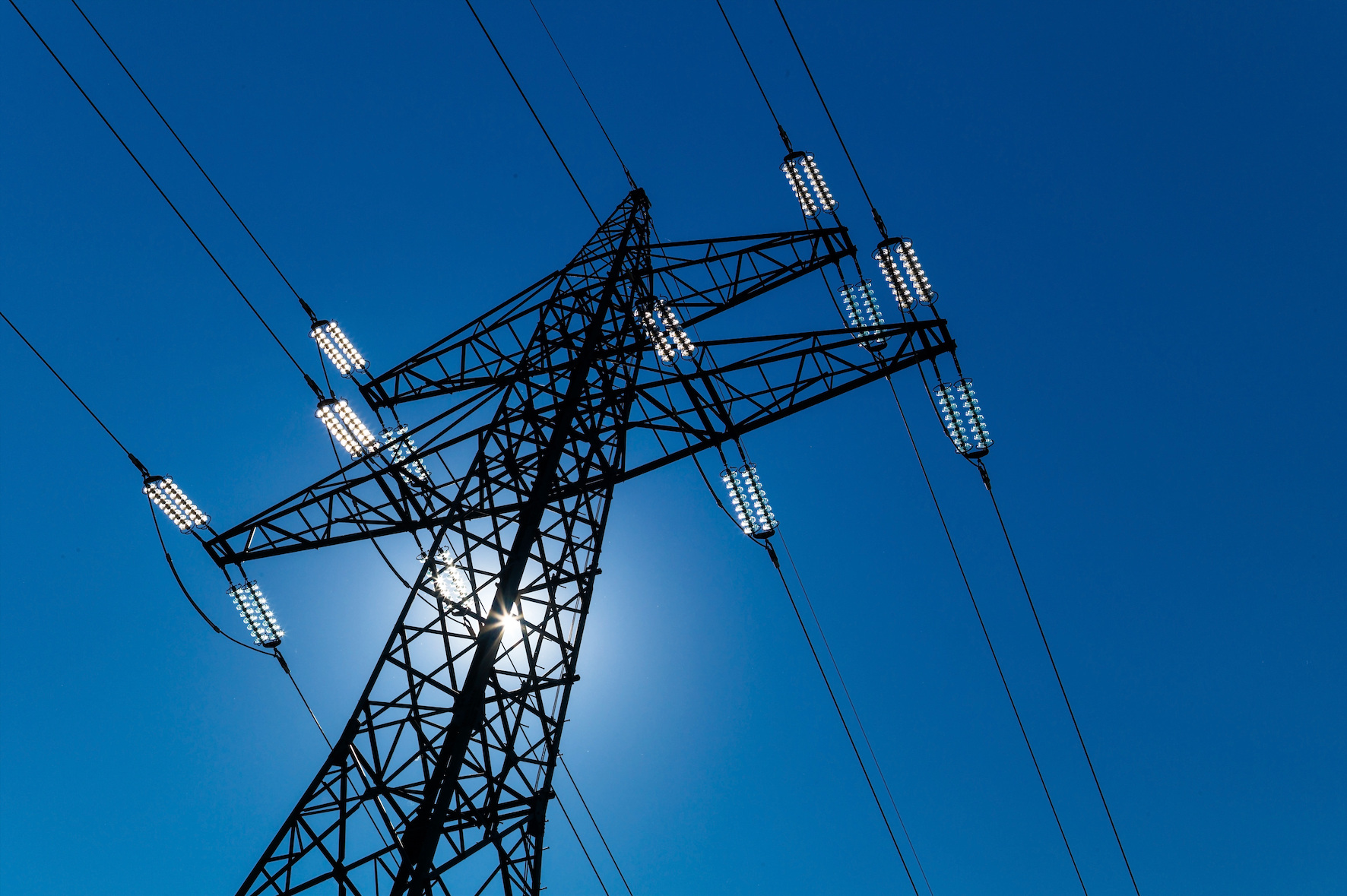
The REDM is a region-specific econometric model designed to analyze electricity demand in Saudi Arabia, accounting for regional disparities and facilitating policy and design scenario simulations. By integrating essential factors such as GDP growth, sectoral price changes, inflation, and population growth, this model provides an in-depth understanding of the driving forces influencing electricity demand across various regions within the country.

Oil & Gas
This app has been inspired by the fuel substitution witnessed in Japan after the Fukushima disaster, which saw 50 GW of nuclear capacity go offline. Natural gas, coal and petroleum products were used to replace nuclear power. We developed this calculator to estimate what volume of a given fuel would be needed to generate the same power of the displaced or substituted fuel.

Oil & Gas
The tool compares the financial and operational performance of new companies to benchmarks and existing companies.

Climate & Sustainability
This model is enables to estimate the environmental, economic, and human health impacts of hundreds of climate and energy policies. Provides over 50 policy levers to assess its impact on emissions. Its is a hybrid model with population and GDP that affect energy demand, draws variables like elasticities and fuel prices. Considers bottom-up models, takes variables like technology costs and efficiencies from these models.
Oil & Gas
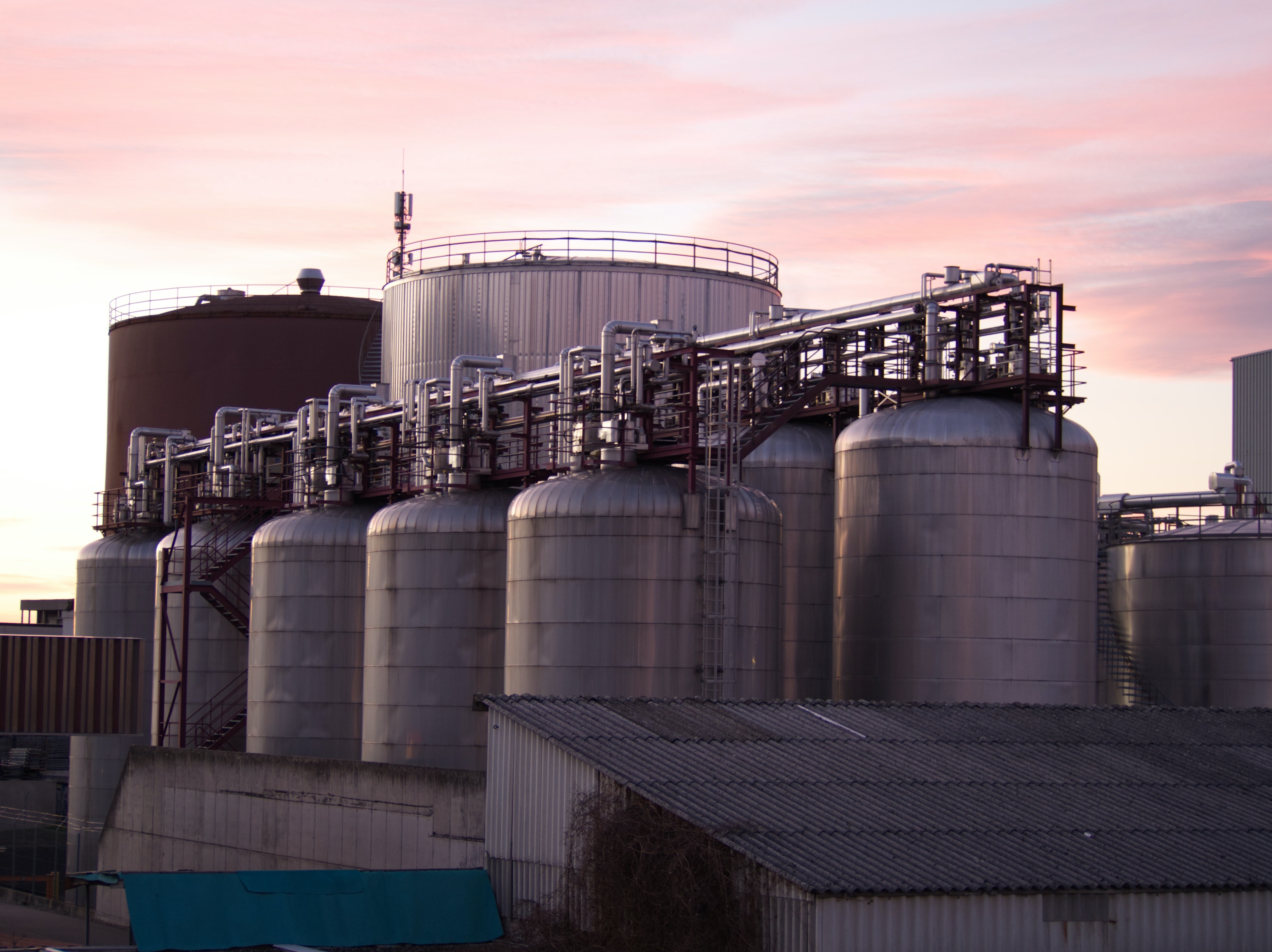
This model represents a formulation that adds location to the conventional storage theory and is based on the prices of crude oil at several different locations, factoring in costs of storage, transportation, and the time required to transport oil.

Transport & Infrastructure
A scenario-based model to help policymakers explore the incremental user cost implications of different passenger car powertrain technologies.

Climate & Sustainability
This is an energy consumption analysis tool designed to assist homer users in estimating the end-use electricity consumption for existing or newly-designed residential buildings in Saudi Arabia.